Mental health
Looking After Mental Health at Home
Draft copy for review. This article was drafted from its title and should be checked for accuracy before publishing (see CONTENT-TODO.md).
Mental health is health. Yet support for it at home is often overlooked, as though anxiety, depression or low mood were somehow less "real" than a physical condition. They aren't — and the right day-to-day support can make a genuine difference to how someone feels and functions.
The quiet power of routine
When someone is struggling, the ordinary structure of a day can fall away. Meals get skipped, sleep drifts, and the world starts to shrink. Gentle, consistent routine helps rebuild a sense of ground under one's feet: regular mealtimes, a little fresh air, a reason to get up and dressed.
Our carers help build that structure back in — never by force, always by encouragement. Small, achievable steps beat grand plans that feel impossible.
Connection matters
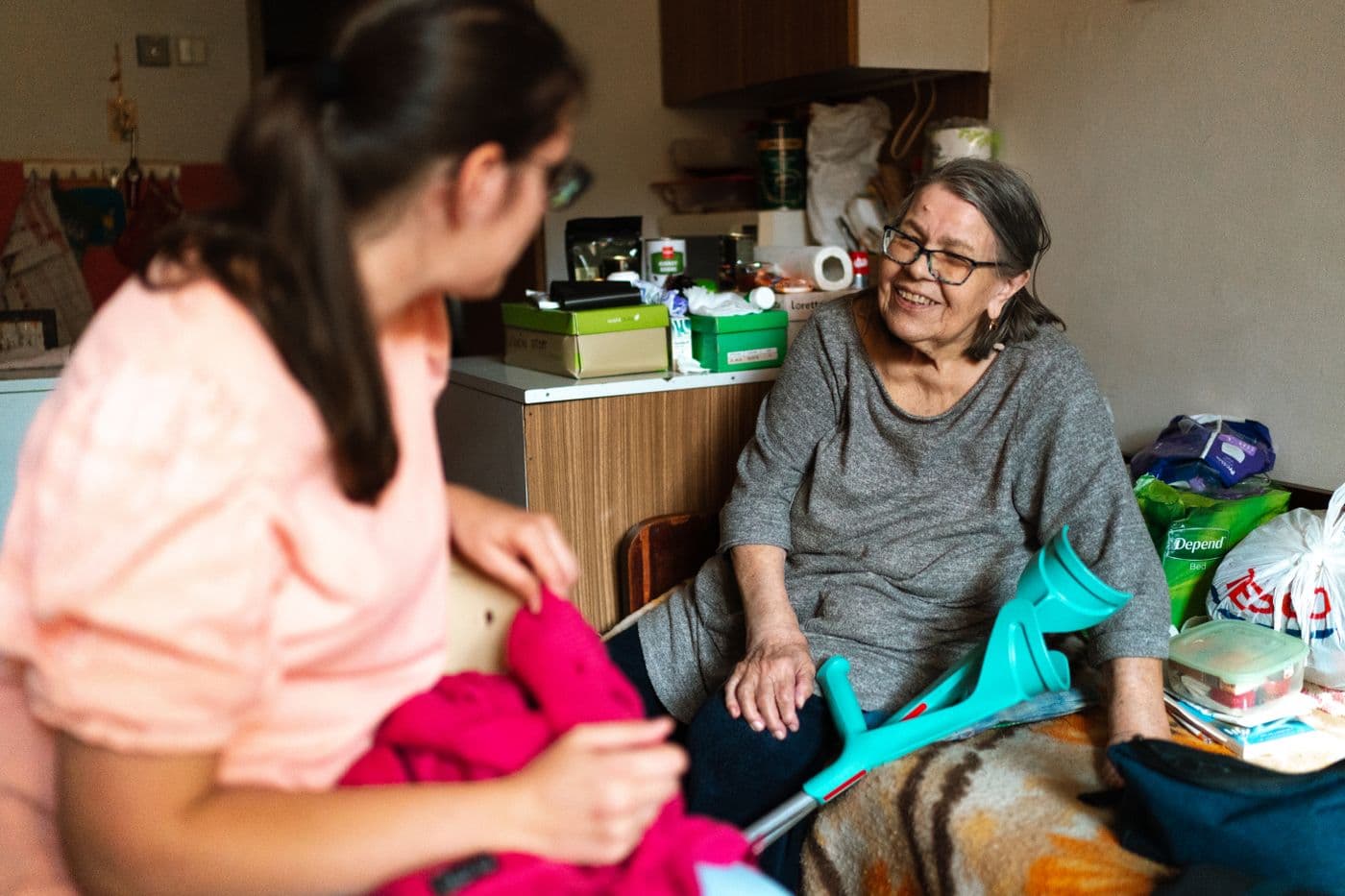
Isolation feeds low mood, and low mood deepens isolation. Simply having a warm, non-judgemental person to talk to — someone who turns up reliably and genuinely listens — can ease that loop. A shared cup of tea, a walk, a chat about nothing in particular: these are not small things when someone feels alone.
What home mental health support looks like
Support is practical and human, not clinical. It can include:
- A calm, consistent and non-judgemental presence.
- Encouragement with self-care — eating, washing, sleep, gentle activity.
- Help staying connected to people, hobbies and appointments.
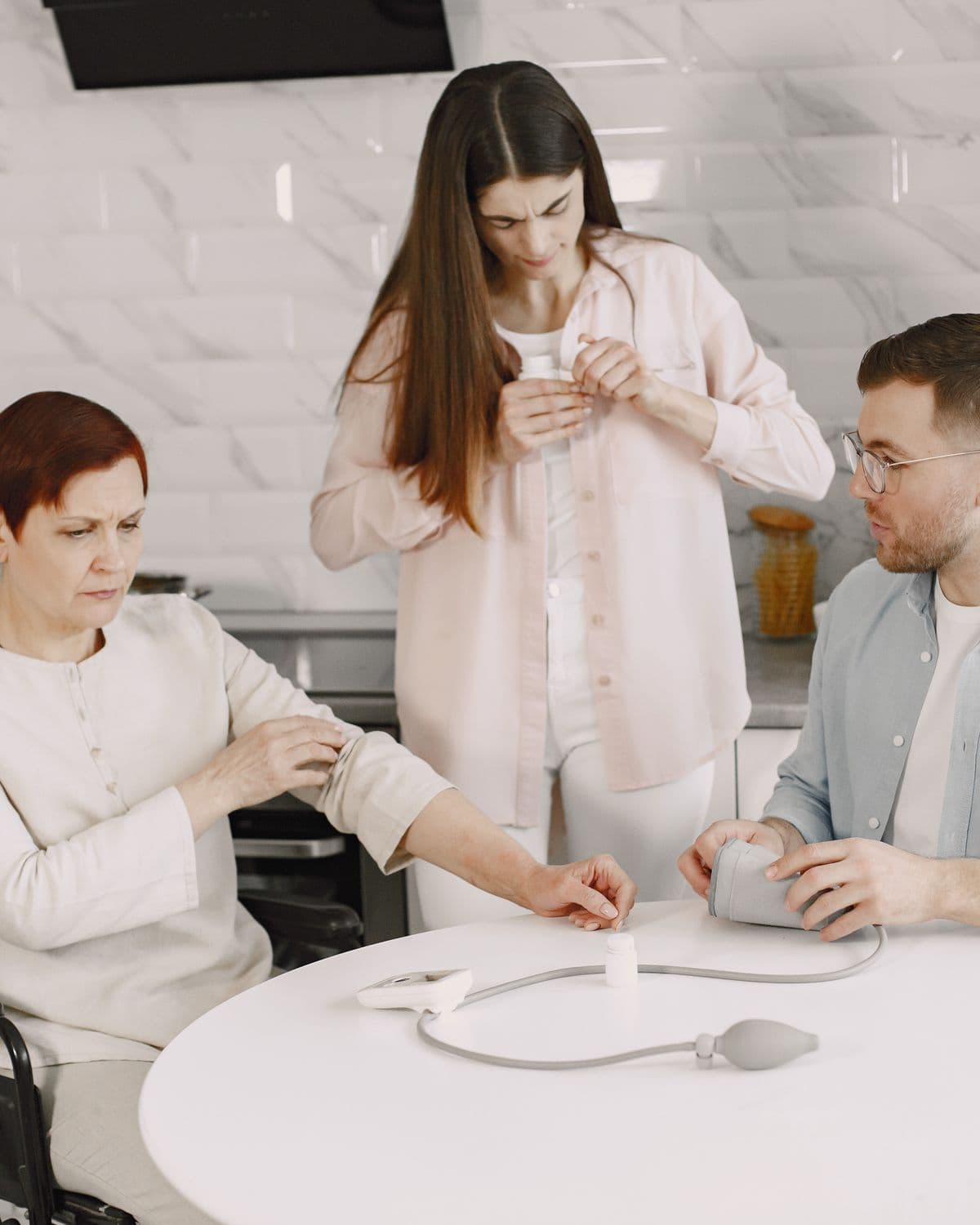
- Support with medication routines, working alongside GPs and mental-health services.
- A listening ear, with anything concerning shared sensitively with family.
What it is not
It's important to be clear: our carers are not therapists, and home support is not a substitute for professional treatment. We work alongside GPs, therapists and mental-health teams, complementing their care with steady day-to-day support. If someone is in crisis, the right professionals — or emergency services — should always be involved.
Supporting a loved one
If you're worried about someone, you don't have to fix everything. Often the most helpful things are the simplest: listening without rushing to solutions, encouraging them to speak to their GP, and helping them keep some structure and connection in the day. And you matter too — supporting someone through poor mental health is draining, and sharing the load is not a failure.
If you or someone you know is in crisis, contact your GP, NHS 111, or the Samaritans on 116 123. In an emergency, call 999.
To find out how we can help with mental health support at home, get in touch or read about our mental health support service.