Dementia care
Understanding Dementia Care at Home
Draft copy for review. This article was drafted from its title and should be checked for accuracy before publishing (see CONTENT-TODO.md).
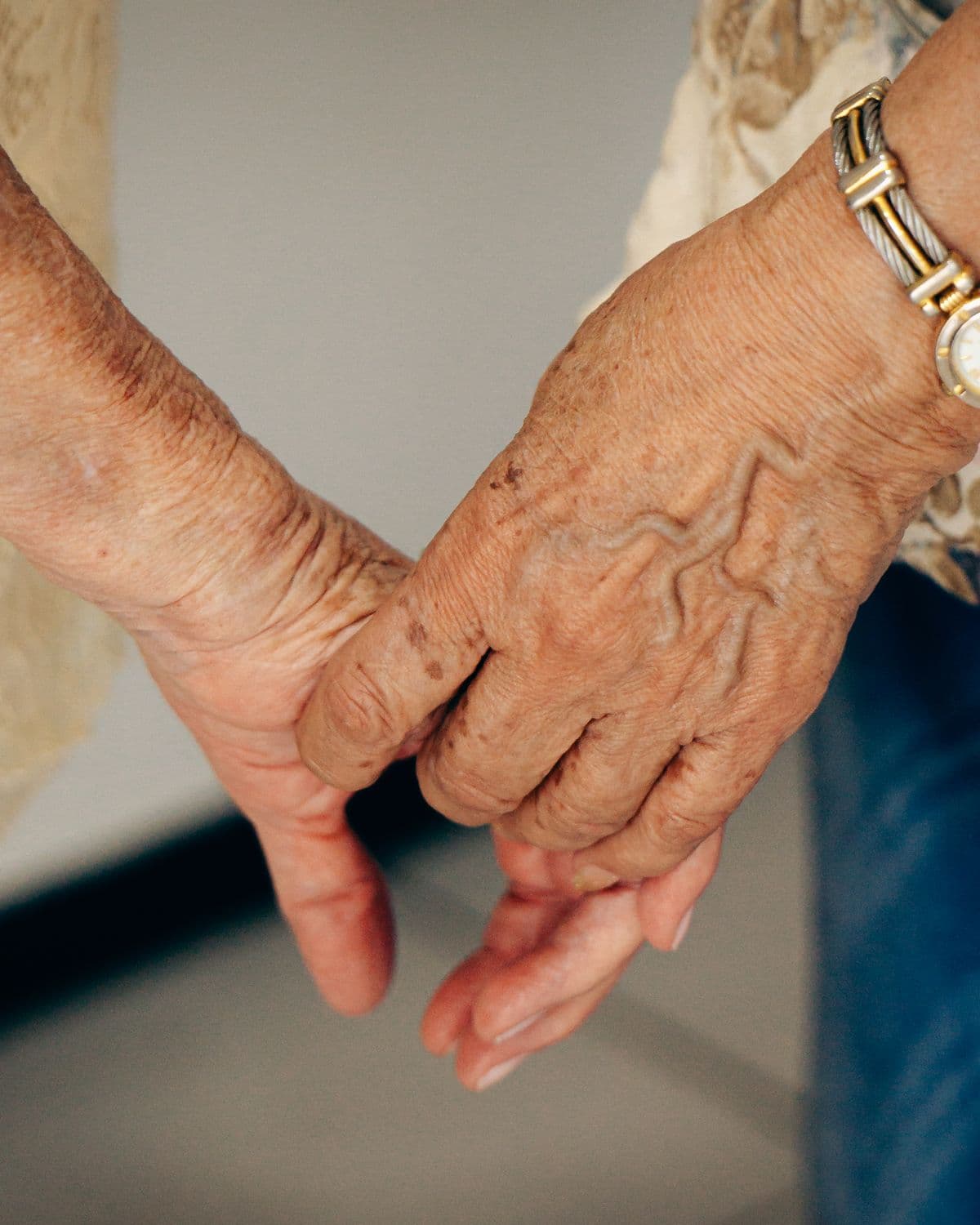
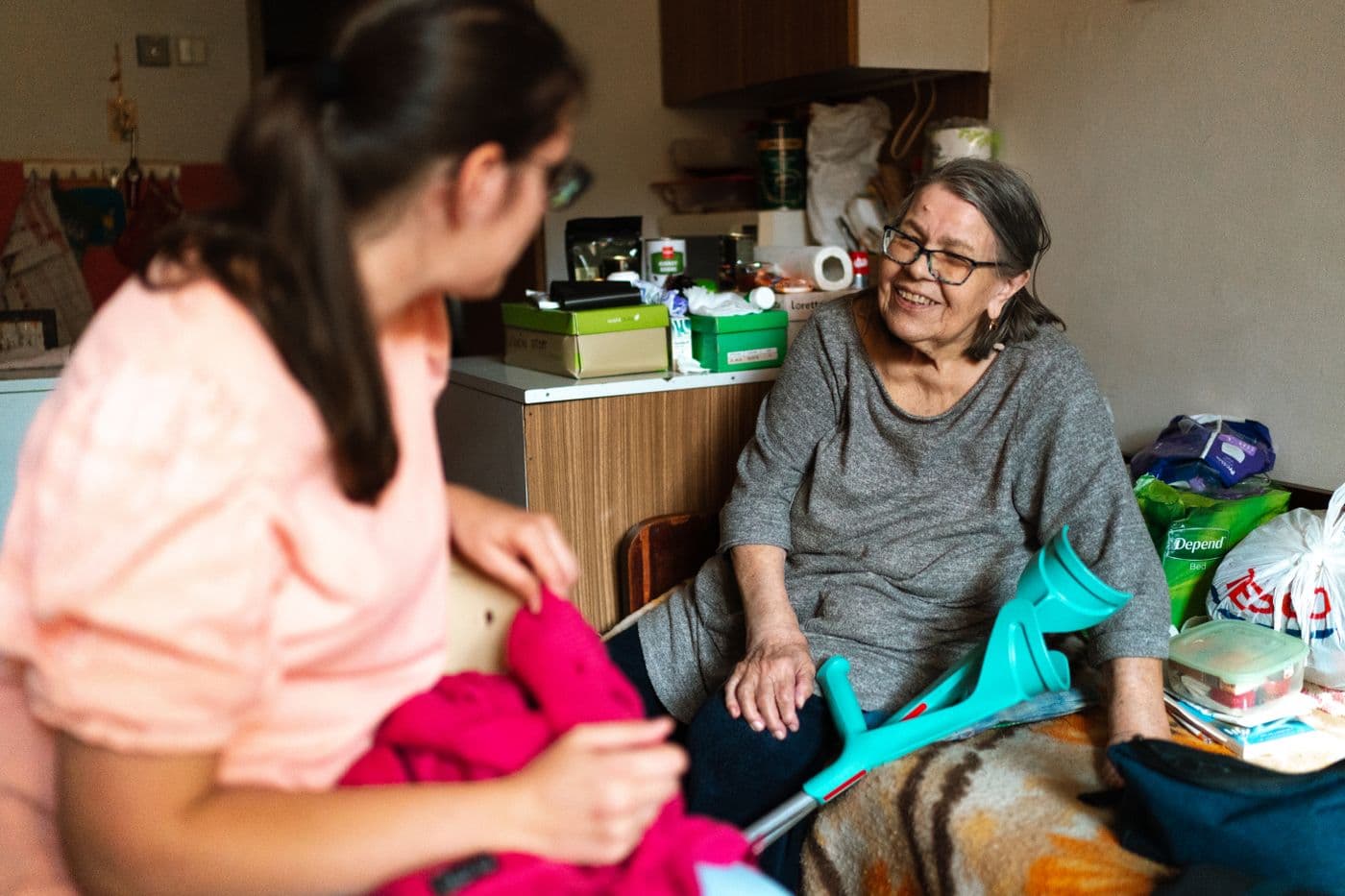
When a loved one is diagnosed with dementia, families are often told to prepare for a move into residential care. Yet for many people, the calmest and kindest option is to stay exactly where they are: at home, surrounded by the objects, routines and views of a lifetime.
Why home matters so much
Dementia affects memory, but it rarely erases the comfort of the familiar. A favourite chair by the window, the sound of a particular kettle, the order of the mugs in the cupboard — these small, known things reduce confusion and anxiety. Unfamiliar environments, by contrast, can leave someone feeling lost and frightened, even when the care itself is excellent.
Home care lets a person keep the environment they understand. Good routine does the rest. When mornings, meals and evenings follow a gentle, predictable pattern, the day feels safer and less bewildering.
What good dementia care looks like
Kindness alone is not enough — dementia care needs genuine understanding. At Pamikyx, our carers are trained to:
- Keep continuity. The same familiar carers build trust over time, so visits feel like seeing a friend rather than a stranger.
- Support without taking over. We help with personal care, meals and medication while protecting independence and dignity wherever we can.
- Stay calm during difficult moments. Confusion, repetition or agitation are part of the condition, not misbehaviour. We respond with patience, never correction.
- Find what still brings joy. Music, photographs, a walk, a shared cup of tea — meaningful moments matter as much as practical tasks.
Supporting the whole family
Caring for someone with dementia can be exhausting and isolating for families. Home care isn't only for the person living with dementia; it's respite for everyone around them. Knowing a trusted carer is there — whether for a few hours a week or around the clock — gives families permission to rest, and to simply be a daughter, son or partner again rather than a full-time carer.
Planning for the future
Dementia changes over time, and care should change with it. We review each plan regularly and can gradually increase support — right up to live-in care — so that no one has to face an abrupt, stressful move as needs grow. The aim is always the same: to help someone live as well as possible, for as long as possible, in the home they love.
Talking it through
If you're beginning to notice changes in someone you love, you don't have to have all the answers before you reach out. A conversation costs nothing, and a free, no-obligation assessment can help you understand the options without any pressure.
If you're worried about a loved one's memory, speak to their GP as well — early diagnosis opens the door to the right support.
To talk about dementia care at home, send us an enquiry or explore our dementia care service in more detail.